


Introduction
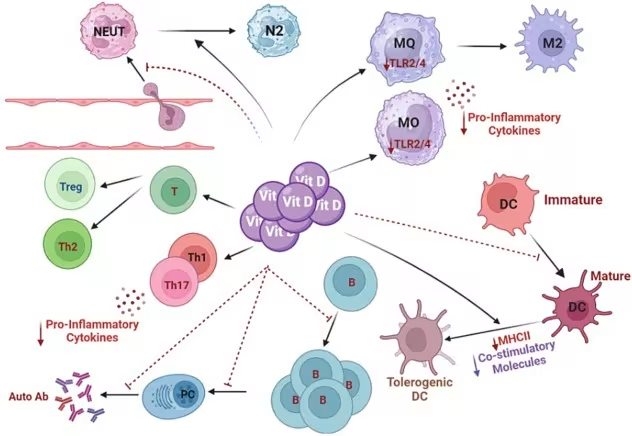
Beyond bone strength, vitamin D plays a key role in regulating the immune system. In recent years, interest has grown in how vitamin D status affects susceptibility to infections and chronic diseases.
Vitamin D and Immune Function
Vitamin D receptors are present in most immune cells, including T cells, B cells, and macrophages. The active form of vitamin D helps regulate the production of antimicrobial peptides, such as cathelicidin, which are essential for fighting pathogens.
Research Evidence
- A 2017 meta-analysis in BMJ showed that vitamin D supplementation reduced the risk of acute respiratory infections, especially in individuals with low baseline levels.
- Observational studies suggest low vitamin D levels are associated with increased risk of autoimmune conditions, such as multiple sclerosis and type 1 diabetes.
Practical Takeaway
Maintaining adequate vitamin D levels through safe sun exposure, diet, or supplements may enhance immune resilience. While supplementation is not a replacement for vaccines or medical treatment, it supports overall immune health.
References:
- Martineau, A. R., et al. (2017). BMJ, 356, i6583.
- Aranow, C. (2011). “Vitamin D and the immune system.” Journal of Investigative Medicine, 59(6), 881–886.